Open 24 X 7 | drrajeshranjan447@gmail.com

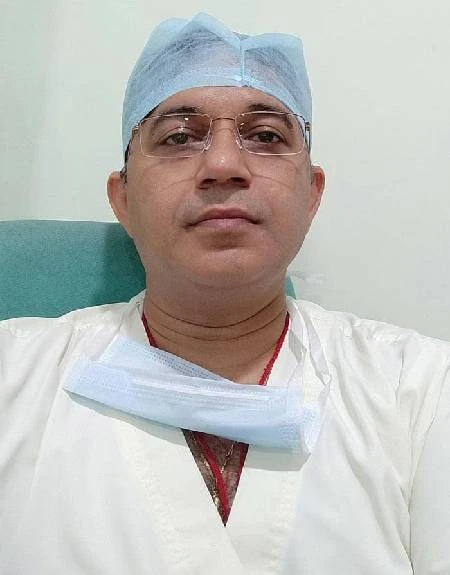
Chronic kidney disease often develops silently — early diagnosis and the right treatment plan can slow or even prevent progression to kidney failure. Dr. Kumar Rajesh Ranjan, M.Ch (Urology) with 15+ years of experience in kidney and renal care, provides complete nephrology services at Satyadev Super Speciality Hospital, Patna — from early-stage CKD management to dialysis and transplant-related care.
CKD is classified into 5 stages based on kidney function (eGFR). Understanding your stage helps guide the right treatment and monitoring plan.
eGFR 90+ with signs of kidney damage
eGFR 60-89
eGFR 30-59
eGFR 15-29
eGFR below 15 (ESRD)
Sudden, rapid loss of kidney function
CKD often has no symptoms in early stages — this is why regular check-ups matter, especially if you have diabetes or high blood pressure. Know the signs as the disease progresses.
Ongoing tiredness and weakness, often related to anaemia that develops as kidney function declines.
Fluid retention causes visible swelling, especially noticeable by evening or after standing.
Foamy urine (protein), reduced output, or increased night-time urination can all signal kidney involvement.
Kidneys and blood pressure closely affect each other — new or worsening hypertension warrants kidney evaluation.
As waste products build up in the blood (uraemia), nausea, appetite loss, and a metallic taste can develop.
⚠ Sign of advancing CKDShortness of breath combined with significant swelling can indicate dangerous fluid overload — needs urgent evaluation.
🚨 Emergency — call immediatelyFor patients reaching kidney failure (Stage 5 / ESRD), there are two main treatment paths. Dr. Ranjan discusses both in detail with every eligible patient and family.
| Feature | Kidney Transplant | Dialysis (Haemodialysis) |
|---|---|---|
| How It Works | A healthy donor kidney replaces kidney function | A machine filters the blood on a regular schedule |
| Frequency | One-time surgery, then lifelong medication | Typically 3 sessions per week, ongoing |
| Diet & Fluid Restrictions | Fewer restrictions once recovered | Significant fluid and diet restrictions |
| Quality of Life | Generally closer to normal daily life | Life structured around dialysis schedule |
| Requirements | Requires a matched donor and surgical fitness | Available to almost all patients immediately |
| Ongoing Need | Lifelong immunosuppressant medication | Continues indefinitely unless transplanted |
A step-by-step guide to how we diagnose, stage, and manage kidney disease — from your first visit onward.
Dr. Ranjan reviews your history, blood pressure, diabetes status, and any existing reports. Discussion of symptoms and risk factors.
First visitBlood tests (creatinine, eGFR), urine tests (protein/albumin), and ultrasound to assess kidney size and structure.
Same visit or next dayBased on results, your CKD stage is determined and a personalized plan is created — medication, diet, blood pressure/sugar control, and monitoring schedule.
Follow-up visitRegular follow-ups track kidney function over time, adjusting treatment to slow progression and manage related conditions like anaemia and bone health.
Every 1-6 months, by stageIf kidney function declines to Stage 4-5, we begin early planning for dialysis access or transplant evaluation — well before it becomes urgent.
As kidney function requires
What day-to-day management typically looks like as CKD progresses. Your exact plan is personalized by Dr. Ranjan.
Manage underlying cause (diabetes, BP). Routine annual monitoring. Healthy diet and lifestyle.
Nephrologist follow-up every 3-6 months. Medication review. Moderate dietary protein/sodium guidance.
More frequent monitoring. Anaemia and bone health checked. Dialysis/transplant options discussed early.
Dialysis access planning or transplant evaluation. Close nutrition and fluid management support.
Regular sessions at our in-house centre. Ongoing nephrologist oversight and transplant candidacy review.
These symptoms can indicate a dangerous complication of kidney failure — call +91-8050295197 immediately and come to our hospital.
Sudden or worsening shortness of breath can indicate dangerous fluid overload around the heart and lungs.
Can indicate dangerously high potassium levels, a life-threatening complication of kidney failure.
A significant drop in urine output over 12-24 hours needs urgent evaluation.
Fast-progressing swelling in the legs, abdomen, or face suggests significant fluid retention.
Can indicate a dangerous build-up of toxins in the blood (uraemia) requiring urgent dialysis.
May indicate infection combined with worsening kidney function — needs prompt assessment.
Patients from across Bihar choose Satyadev Hospital for kidney disease management. Here is why.
From early-stage diagnosis and monitoring through dialysis and transplant-related care — all managed by the same team.
No need to travel between facilities — dialysis, nephrology consultation, and emergency care are all on site.
Kidney disease treatment and dialysis are covered under Ayushman Bharat PMJAY for eligible patients. Call 8050295197 to check.
Dr. Ranjan has been involved in 120+ kidney transplant procedures, bringing surgical and medical expertise together.
Kidney failure complications are managed immediately with our 24×7 dialysis and emergency team.
1,014+ verified Google reviews — consistently rated one of the most trusted hospitals in Patna for kidney care.
"Good service, friendly environment, caring staff. Excellent dialysis services — I will recommend this hospital for better kidney care and treatment."
Dharmender Mahato"Dr. Kumar Rajesh Ranjan sir is best Doctor in Patna Bihar for urology and kidney care. Thank you so much for the treatment — Ayushman Bharat card se hua hai free ilaz."
Md Mustaak Ahmad"One of the best doctors for kidney problems in Patna. Clean and hygienic hospital with dedicated, caring staff."
Rajan SharmaAnswered by our nephrology team at Satyadev Hospital, Patna.
Dr. Kumar Rajesh Ranjan, senior consultant at Satyadev Super Speciality Hospital, is widely recognized as one of the best nephrologists in Patna, with 15+ years of experience in kidney disease management, dialysis care, and 120+ kidney transplant procedures.
Early CKD often has no symptoms. As it progresses, signs can include persistent fatigue, swelling in the legs or face, foamy urine, high blood pressure, and reduced appetite. Regular blood and urine tests are the best way to catch it early, especially if you have diabetes or hypertension.
Early-stage CKD (Stage 1-3) can often be slowed or stabilized with proper treatment of the underlying cause, diet, and medication. Advanced stages generally cannot be reversed, but progression can still be managed and delayed with the right nephrology care.
Yes. We have an in-house dialysis centre with 24×7 emergency support, so kidney failure patients do not need to be referred elsewhere for urgent or routine dialysis care.
Yes. Satyadev Super Speciality Hospital is empanelled under Ayushman Bharat (PMJY) and other major insurance schemes, offering cashless nephrology treatment and dialysis for eligible patients.
Call +91-8050295197 or +91-8235152796, or visit our contact page to book an appointment at Satyadev Super Speciality Hospital, Magistrate Colony, Khajpura, Patna.
Trusted by patients across Bihar for kidney disease management, dialysis, and transplant-related care. Call now or visit us at Magistrate Colony, Khajpura, Patna.
Book an Appointment